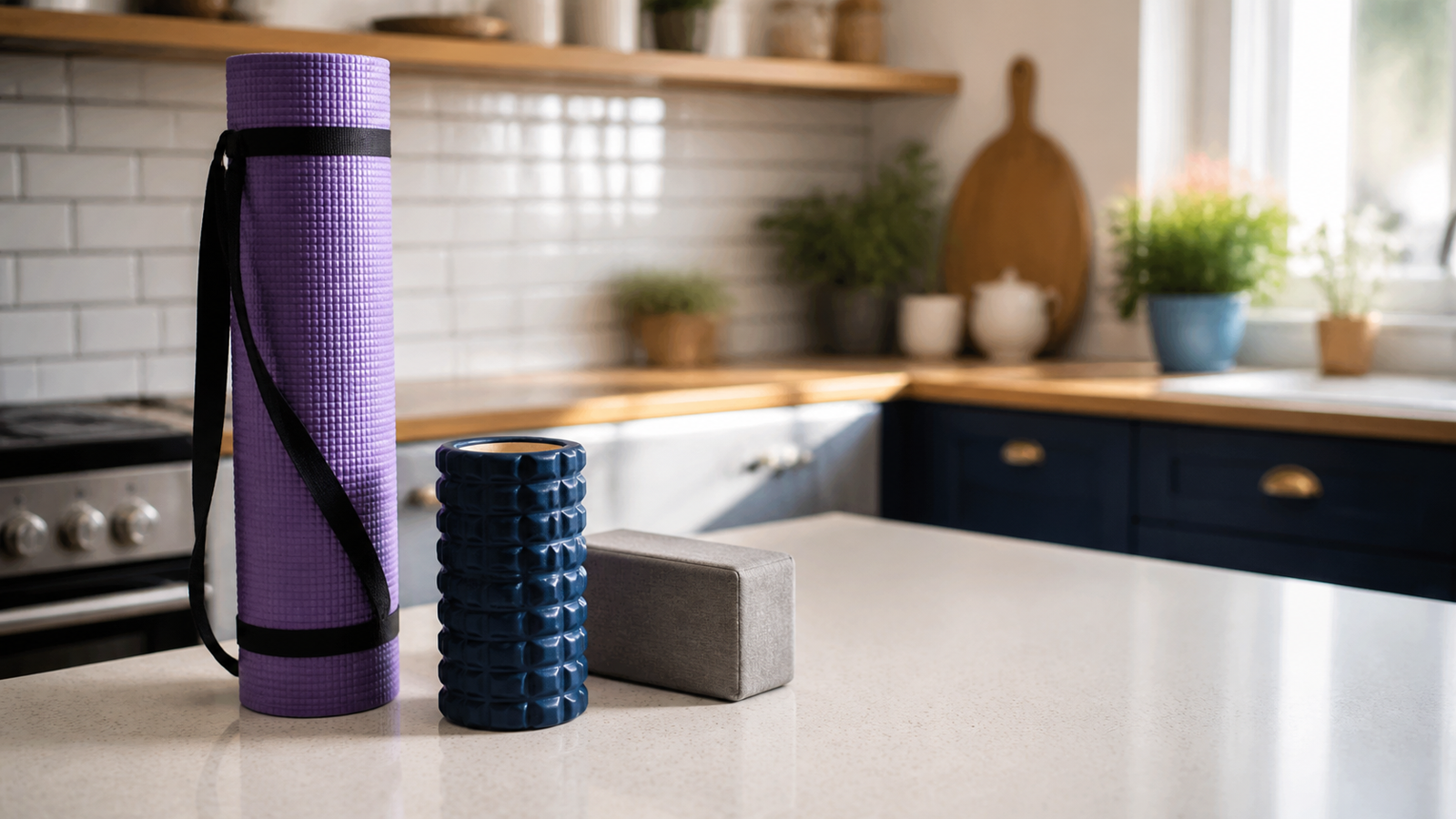
Finding the best Amazon UK yoga mats for home workouts is less about choosing the thickest or most colourful option and more about matching the mat to your room, routine and comfort needs. A beginner doing gentle stretching may want a soft, forgiving surface, while someone practising flows or bodyweight strength work may prefer a firmer mat with dependable grip. Storage, cleaning and the type of floor underneath matter too.
This guide compares five widely recognised yoga-mat styles available to UK shoppers through Amazon listings. It is designed to help you shortlist the right format rather than suggest that one mat suits everyone. Product availability, colours and prices can change, so check the current Amazon UK listing, delivery details and measurements before ordering. Prices below are broad buying bands, not live quotations.
Quick comparison
| Mat | Best for | Typical buying band | Main reason to consider it |
|---|---|---|---|
| YOGATI Premium Yoga Mat | Best Overall | About £25 to £45 | Balanced cushioning, grip and everyday versatility |
| Gaiam Essentials Premium Yoga Mat | Best Budget | About £15 to £25 | Accessible starting point for light home practice |
| adidas Training Mat | General home workouts | About £20 to £35 | Useful width and familiar fitness branding |
| YAWHO Extra Thick Yoga Mat | Knee and joint comfort | About £20 to £35 | Extra padding for stretching and floor exercises |
| Manduka PRO | Frequent practice | About £60 to £110+ | Premium construction and a dense, stable feel |
Best Overall: YOGATI Premium Yoga Mat
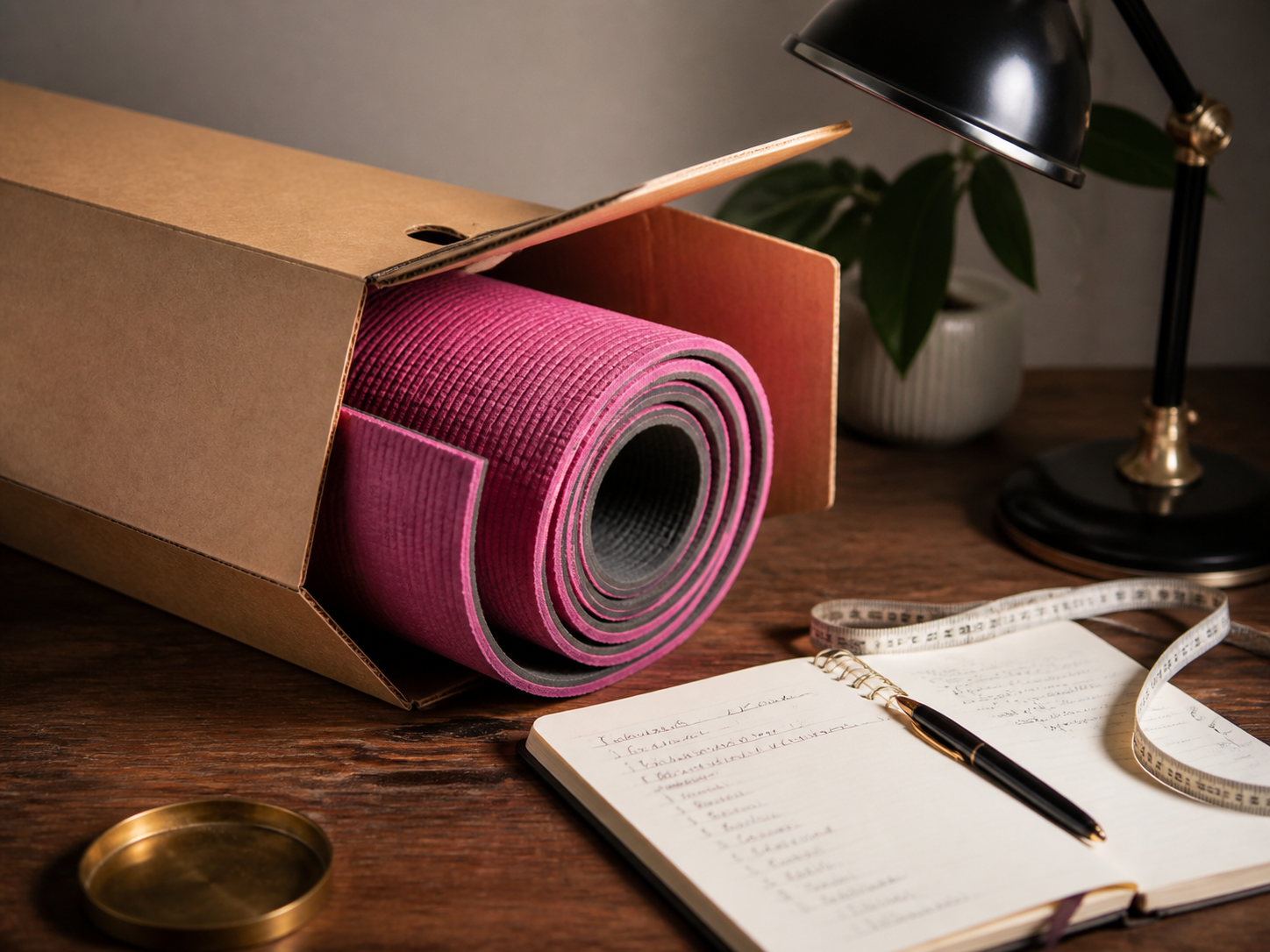
For most people setting up a home practice, a balanced mat is easier to live with than an extreme option. YOGATI-style premium mats typically aim to combine enough padding for kneeling with a surface that feels stable during standing poses. That makes this type a sensible first choice for yoga, Pilates, mobility work and short bodyweight sessions.
Check the exact dimensions because some listings use different thicknesses and lengths. A longer mat can help taller users, but it also needs more floor space and may be harder to roll into a small cupboard. Look for a textured upper surface, a non-slip base and clear care instructions. Even a good grip surface can become less secure if it is covered with sweat, dust or lotion.
Pros: versatile for several home routines; usually more supportive than a basic thin mat; good middle ground for beginners.
Cons: premium versions cost more than entry-level mats; thicker surfaces can feel less stable in balance poses; branding and accessories vary by listing.
Best Budget: Gaiam Essentials Premium Yoga Mat
A basic Gaiam mat is a practical place to start if you are unsure how often you will practise. It generally offers enough cushioning for stretching, beginner yoga and light Pilates without the cost of a specialist studio mat. The lighter construction can also make it easier to carry between rooms.
Budget mats involve compromises. They may show pressure marks sooner, move slightly on smooth floors or provide less support for sensitive knees. Put the mat on a clean, dry surface and consider a small towel for extra grip during warmer sessions. Before buying, check whether the listing includes a carrying strap, the rolled diameter and the thickness in millimetres.
Pros: lower initial cost; straightforward for beginners; usually easy to roll and store.
Cons: cushioning may be limited; odour can be noticeable when new; surface wear may be more visible with frequent use.
Best for mixed home workouts: adidas Training Mat
If your routine includes yoga alongside floor-based strength work, warm-ups or stretching, an adidas training mat may be a better fit than a specialist yoga design. Training mats often prioritise a stable, slightly cushioned base and a useful surface area. That can be welcome for planks, glute bridges, kneeling exercises and cooldowns.
Pay attention to the texture. A mat that is comfortable for sit-ups is not automatically ideal for sweaty yoga flows. Dimensions deserve attention because a mat wide enough for general training may be heavier or less portable. This is a good option for a dedicated exercise corner where the mat can stay unrolled for quick sessions.
Pros: suitable for several types of floor exercise; fitness-focused design; often feels stable under hands and feet.
Cons: may be bulkier than a thin yoga mat; grip varies between models; not always easy to carry outdoors.
Best for extra cushioning: YAWHO Extra Thick Yoga Mat
Extra-thick mats appeal to anyone who finds a hard floor uncomfortable during kneeling, seated poses or mobility work. A YAWHO-style thick mat can provide a softer landing for joints and make short home sessions more inviting. It can also work well for children’s stretching or low-impact exercises.
There is a trade-off between softness and stability. Very thick foam compresses under the hands, which can make downward dog, lunges and balance work feel less secure. It may take longer to dry after cleaning and can be awkward to roll tightly. If you mostly do gentle exercise, the additional comfort may be worth it. If you practise standing flows, look for a dense rather than merely soft construction.
Pros: generous padding for knees and hips; comfortable on hard floors; suitable for gentle routines and floor exercises.
Cons: less stable for balance poses; larger when stored; may retain dents or show compression over time.
Best premium option: Manduka PRO
The Manduka PRO is aimed at users who already know they will practise regularly and want a dense, substantial mat. Its appeal is the firm, stable feel and durable construction associated with premium studio equipment. It is worth considering for a dedicated home practice where the mat will be used several times a week.
Premium does not mean universally perfect. A dense mat can be heavy, expensive and slower to break in than a softer foam design. It may also be more than a casual beginner needs. Check the current model, length, weight and care instructions carefully because standard and travel versions serve different purposes. Confirm the seller, returns policy and UK delivery details on Amazon.
Pros: firm and stable; built for frequent use; substantial surface for consistent practice.
Cons: high buying cost; heavier to move; may feel firm until the surface becomes more familiar.
How to choose a yoga mat for home workouts
Thickness: Around 4 to 6mm is a common compromise for yoga because it offers comfort without feeling too unstable. Thicker mats can suit kneeling and low-impact work, while thinner dense mats can suit balance-focused practice.
Grip and floor compatibility: Smooth laminate, tiles and carpet behave differently. A textured underside may help, but it cannot compensate for dust or a damp floor. Read listing feedback for comments about movement, peeling and grip after cleaning.
Storage: A long, thick mat can be comfortable but difficult to store behind a door. Note the rolled diameter and whether a strap is included. For small flats, a lighter mat that can be put away easily may encourage more frequent use.
Cleaning: Check whether the manufacturer recommends diluted soap, a specialist spray or simple wiping. Do not assume every mat can go in a washing machine. Let it dry fully before rolling it up.
Materials: Some mats have a noticeable new-product smell. Look for the material description and care guidance, and allow the mat to air in a ventilated room if permitted. Anyone with a known allergy should check the product information before purchase.
Buyer Q&A
What thickness is best for a beginner?
A 4 to 6mm mat is a sensible starting range for many beginners. It gives more comfort than a very thin travel mat while preserving reasonable stability. Choose thicker padding if joint comfort is the priority, but expect more compression and a larger rolled size.
Are expensive yoga mats worth it?
They can be worthwhile when you practise frequently and value a dense surface, stable footing and longer service life. Occasional users may get better value from a mid-priced mat with the right dimensions and grip.
Can I use a yoga mat for strength training?
Yes, for planks, bridges, mobility drills and stretching. A yoga mat is less suitable for heavy weights, sharp equipment or exercises needing a rigid base. Use the product guidance as the final reference.
How much should I spend?
Allow roughly £15 to £30 for a basic or mid-range option, and more for dense premium mats. Treat those figures as planning bands only. Amazon UK prices, vouchers, delivery charges, colours and stock can change, so check the current price immediately before checkout.
Our verdict
The YOGATI Premium Yoga Mat is the best overall starting point when you want one mat for yoga, stretching and light home workouts. The Gaiam Essentials Premium Yoga Mat is the better budget choice for occasional practice, while the YAWHO Extra Thick design makes more sense when cushioning comes first. Choose the adidas training format for mixed exercise, or the Manduka PRO if you already practise often and prefer a firm premium surface.
Whichever option you choose, confirm the exact thickness, dimensions, material, seller, delivery terms and current Amazon UK price. Product pages can change after publication, so the listing at the time of purchase is the final source for availability and cost.